Can You Add a Plaque to an Existing Headstone?
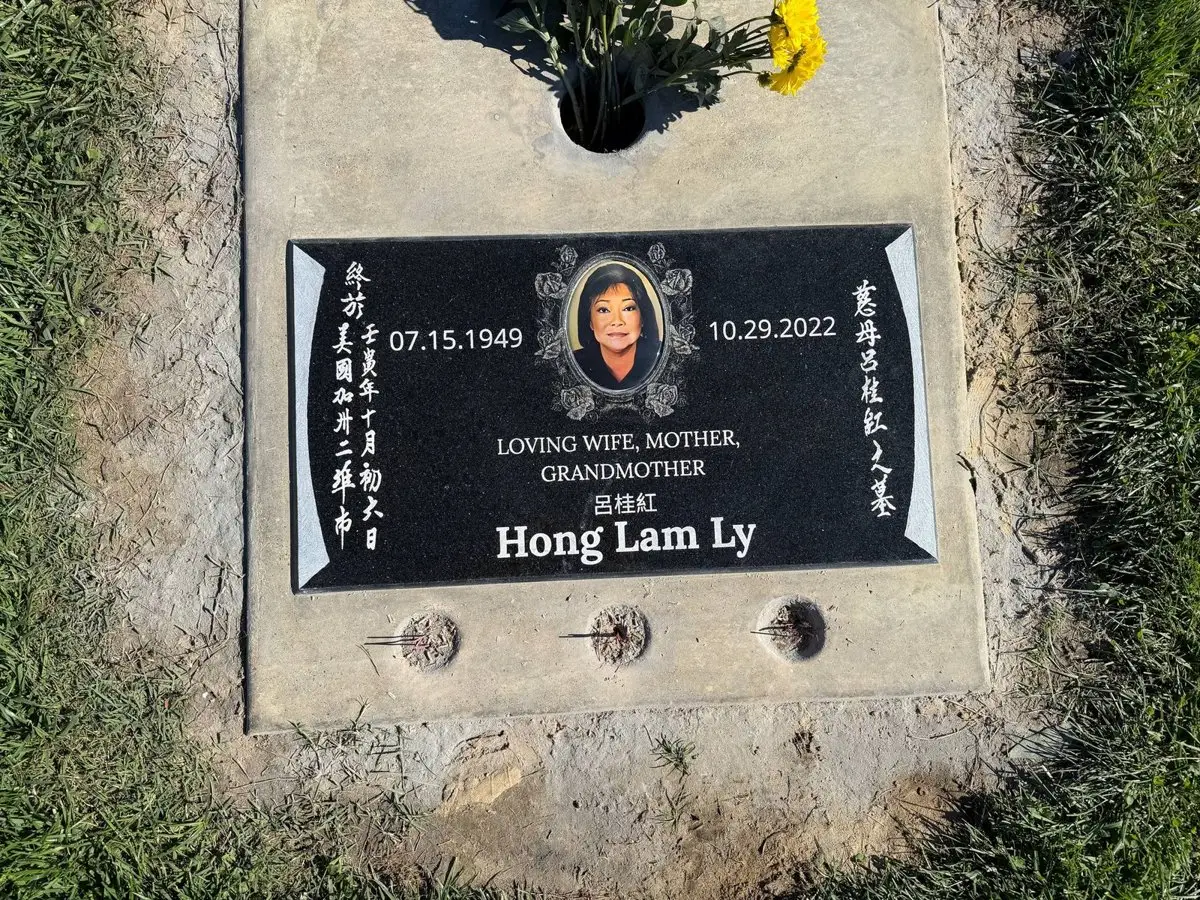
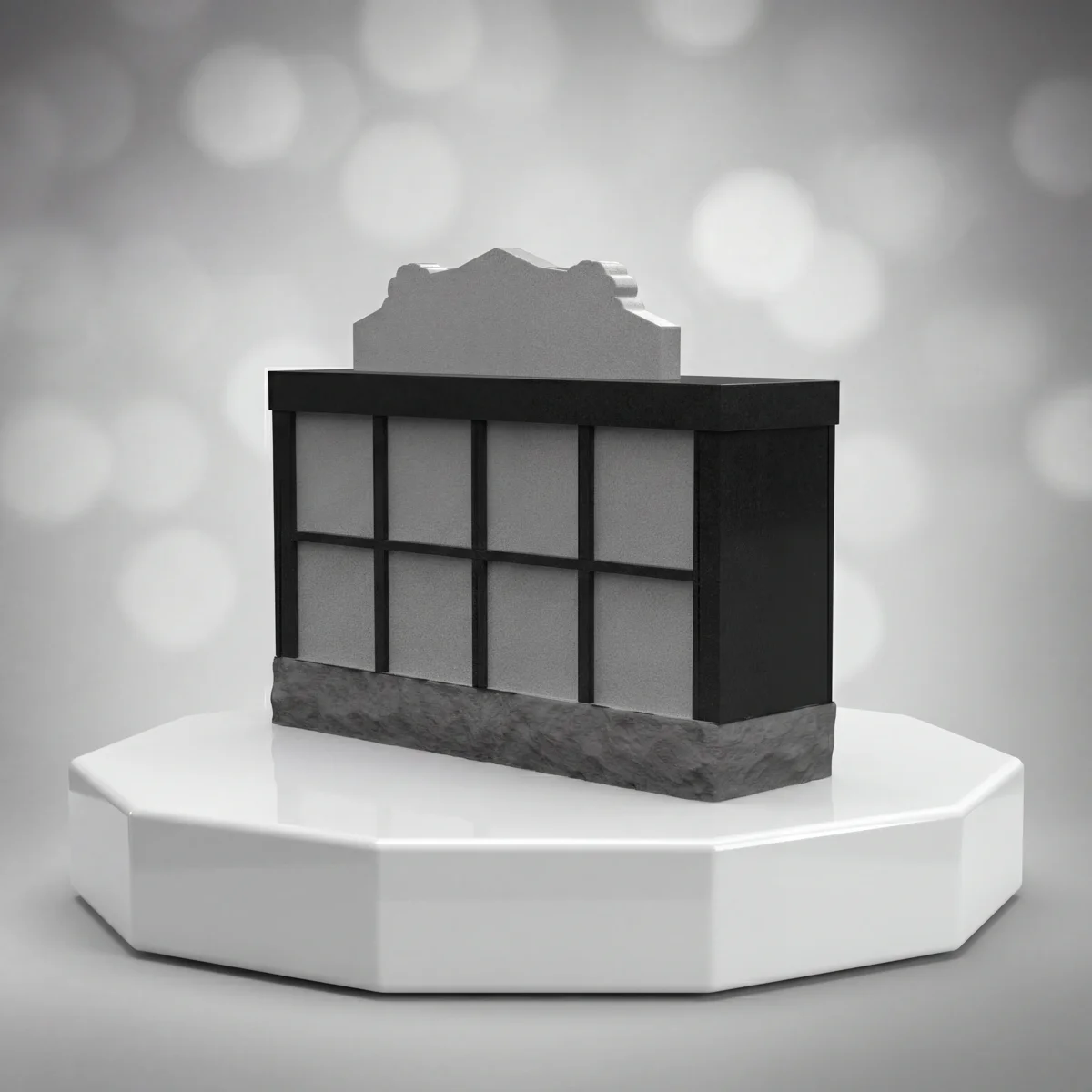
Yes, in most cases. Families add a bronze plaque to a headstone, a granite base, a mausoleum wall or a natural rock to mark a grave, a memorial garden or a scattering site. The work is simple in principle, but the cemetery must agree first, and the surface must be flat and sound.
Step 1: Ask the Cemetery
Many cemeteries control who may work on a marker and what may be fixed to it. Ask for the rules in writing: allowed plaque size, mounting method, and whether their staff must do the setting. The FTC advises buyers to check what a cemetery allows before buying a marker.
Step 2: Measure the Surface
Measure the flat area where the plaque will go, and leave a margin on every side. Take a straight-on daylight photo with a tape measure in view. For a rock or boulder, find the flattest face; a curved or rough face may need a cut flat area or a small granite plate set into it.
Step 3: Choose the Plaque
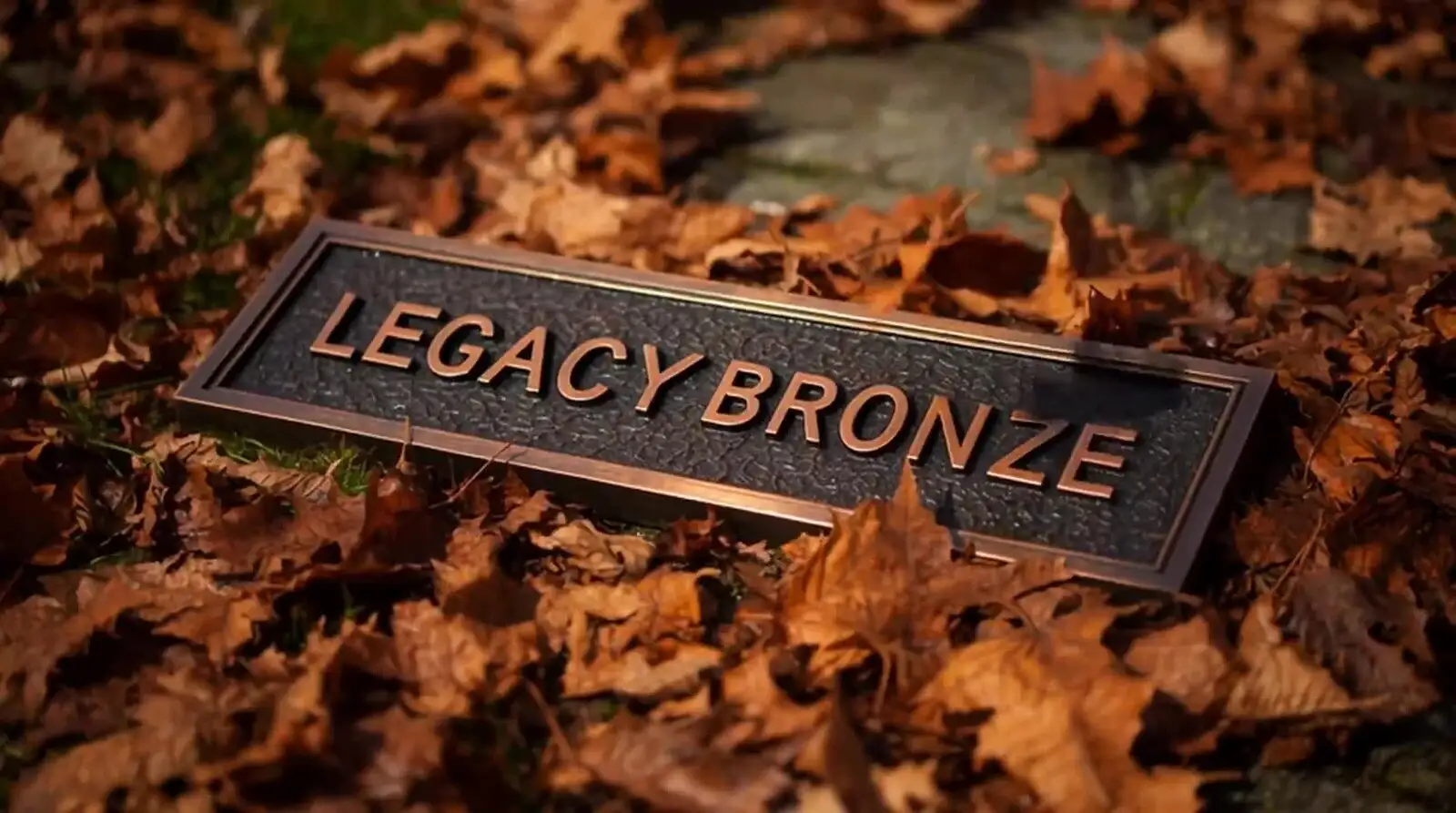
A flat plaque or small niche-size plaque often suits a headstone face or rock. To add only a name or date to an existing bronze plaque, a bronze date scroll is usually the better choice.
Step 4: How the Plaque Is Attached
Bronze plaques are usually mounted with threaded studs on the back. Holes are drilled into the stone to match the studs, and the plaque is set with a stone-rated adhesive. This hides the fixings and makes the plaque hard to remove. Drilling granite takes the right tools, so many families have a monument professional do it.
Installation is offered separately through Monument Service Group where coverage is confirmed. If the cemetery sets plaques itself, we ship the plaque with its mounting hardware to the cemetery.
Step 5: Care After Mounting
Clean the plaque with water, a soft brush and mild soap, as the VA cleaning guide recommends. Avoid power washers and metal brushes.
Planning to add a bronze plaque to a headstone or rock? Call +1 832-699-7995 or send us your photos and measurements.